Activities
Children start to learn about the world from the moment they are born and we believe that children learn most effectively through creative play.
We aim to help your child continue to learn by providing them with interesting activities that are suitable for their age and stage of development. For example:
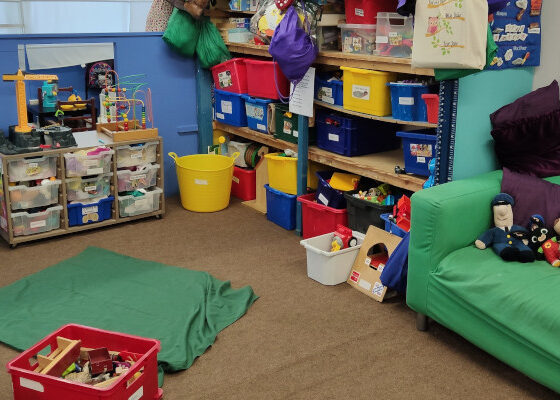
- Role play area
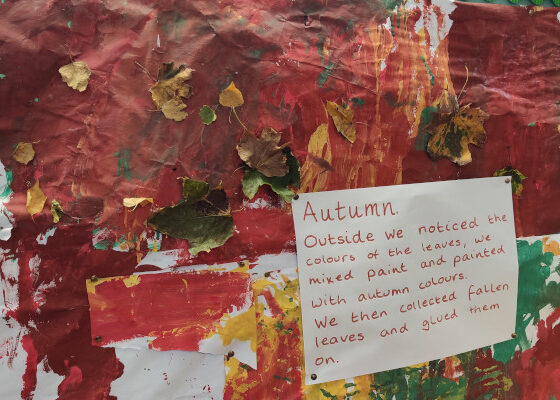
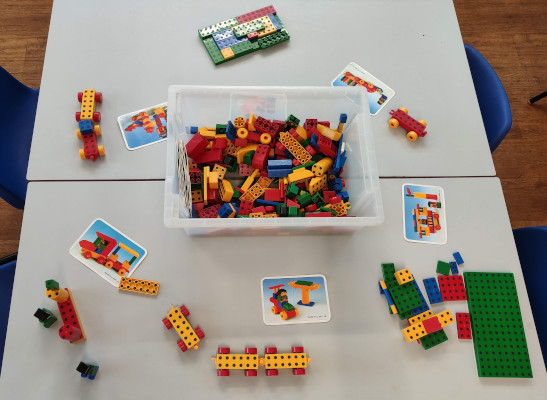
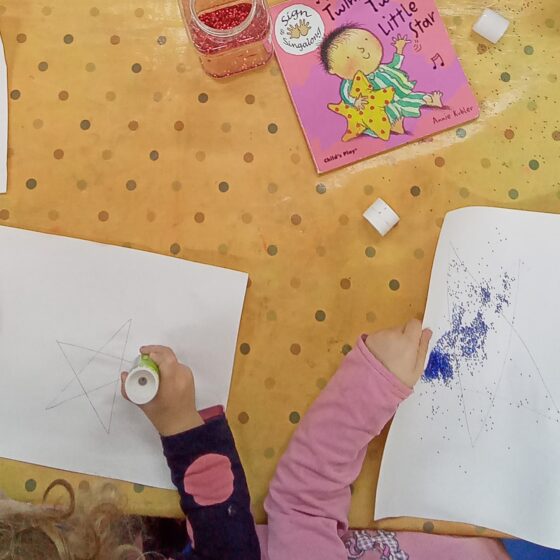
- Table top activities e.g. puzzles, art & crafts
- Small world play e.g. Playmobil, dolls
- Outside play e.g. bikes, mud kitchen, water
- Messy and sensory play e.g. foam, gloop
- Adult led activities e.g. writing, sounds, counting
- Group activities e.g. singing, story time, games

Pre-School Routine
We introduce the children to a simple routine, which helps children know what to expect and helps prepare them for school. However, every day at preschool is different and we allow lots of room for making choices throughout the day. We also go on trips in our local area (with parental permission), which helps us build links with the community.
A typical preschool day might be:
Food
We ask that children bring a packed lunch to preschool with them if they are staying over lunchtime. Children and adults sit together to eat. We encourage a healthy lunch box but don’t mind the odd treat.
Children also have a morning and afternoon healthy snack (e.g. fruit). Water bottles are available throughout the day. Children who join us for breakfast and/or after preschool club can also have breakfast or a snack.
Learning at Pre-school: EYFS
We use the Development Matters document to plan exciting and stimulating activities for your child. More information can be found at the below sources:
The Early Years Foundation Stage
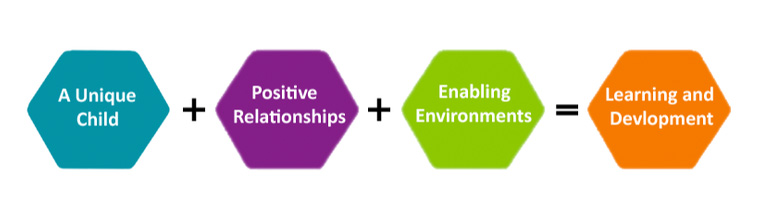
Our Early Years Foundation Stage (EYFS) curriculum is divided into seven areas:
1. Personal Social and Emotional Development
- Making relationships
- Self-confidence and self-awareness
- Managing feelings and behaviour
2. Physical Development
- Moving and handling
- Health and self-care
3. Communication and Language
- Listening and attention
- Understanding
- Speaking
4. Literacy
- Reading
- Writing
5. Mathematics
- Numbers
- Shape, space and measure
6. Understanding the world
- People and communities
- The world
- Technology
7. Expressive Arts and Design
- Exploring and using media and materials
- Being imaginative